Manufacturing
HOME
>
Manufacturing
Overview
Metal Manufacturing
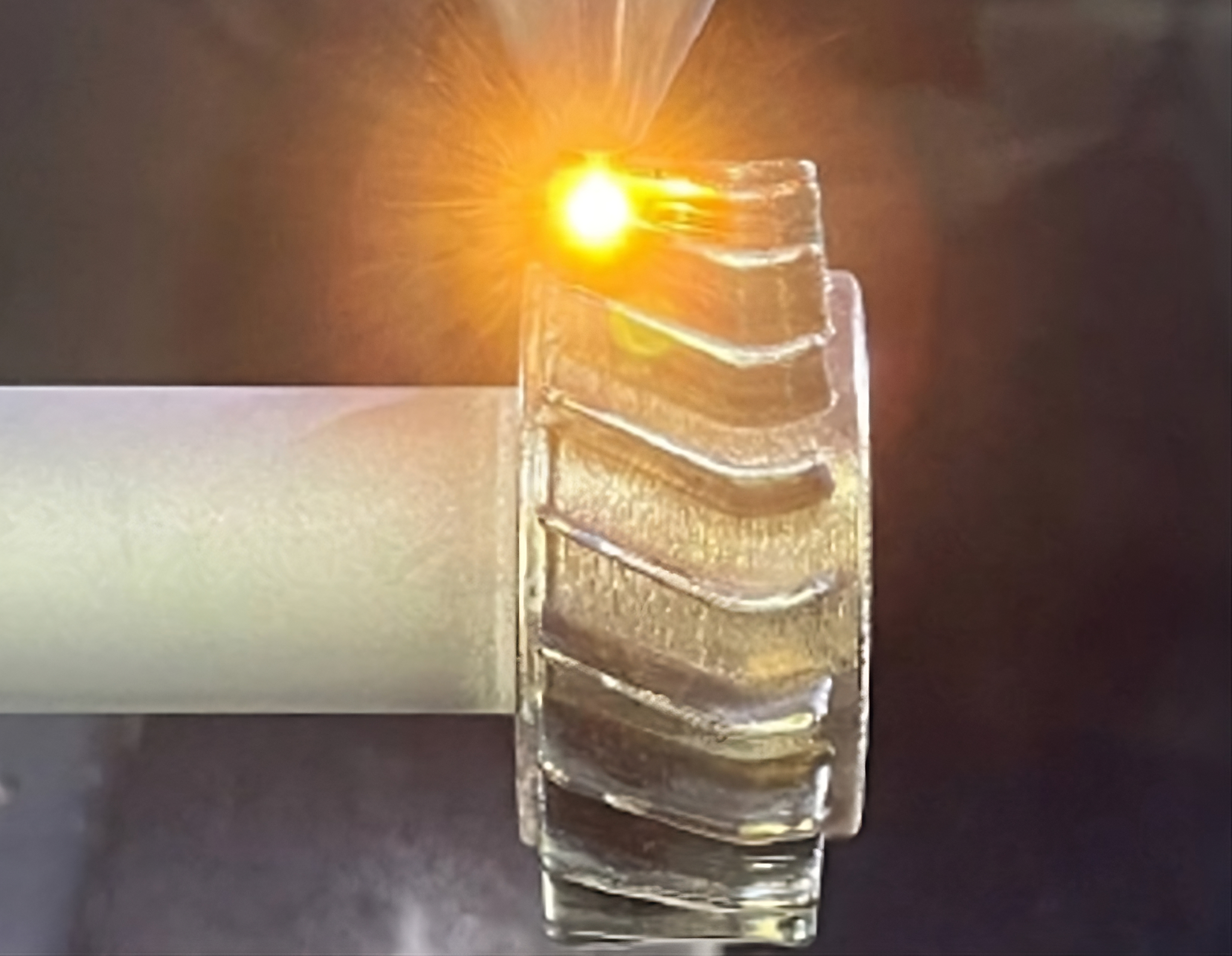
Complex-shaped advanced material components that are difficult to achieve through traditional casting/forging are manufactured through L-PBF (Laser Powder Bed Fusion) 3D printing For precision components with relatively simple shapes where internal or external flow paths are not complex, DED (Direct Energy Deposition) 3D printing can also be applied • High precision and surface finish quality • Complex shape implementation possible • Superior mechanical properties compared to cast/forged products
Plastic Manufacturing
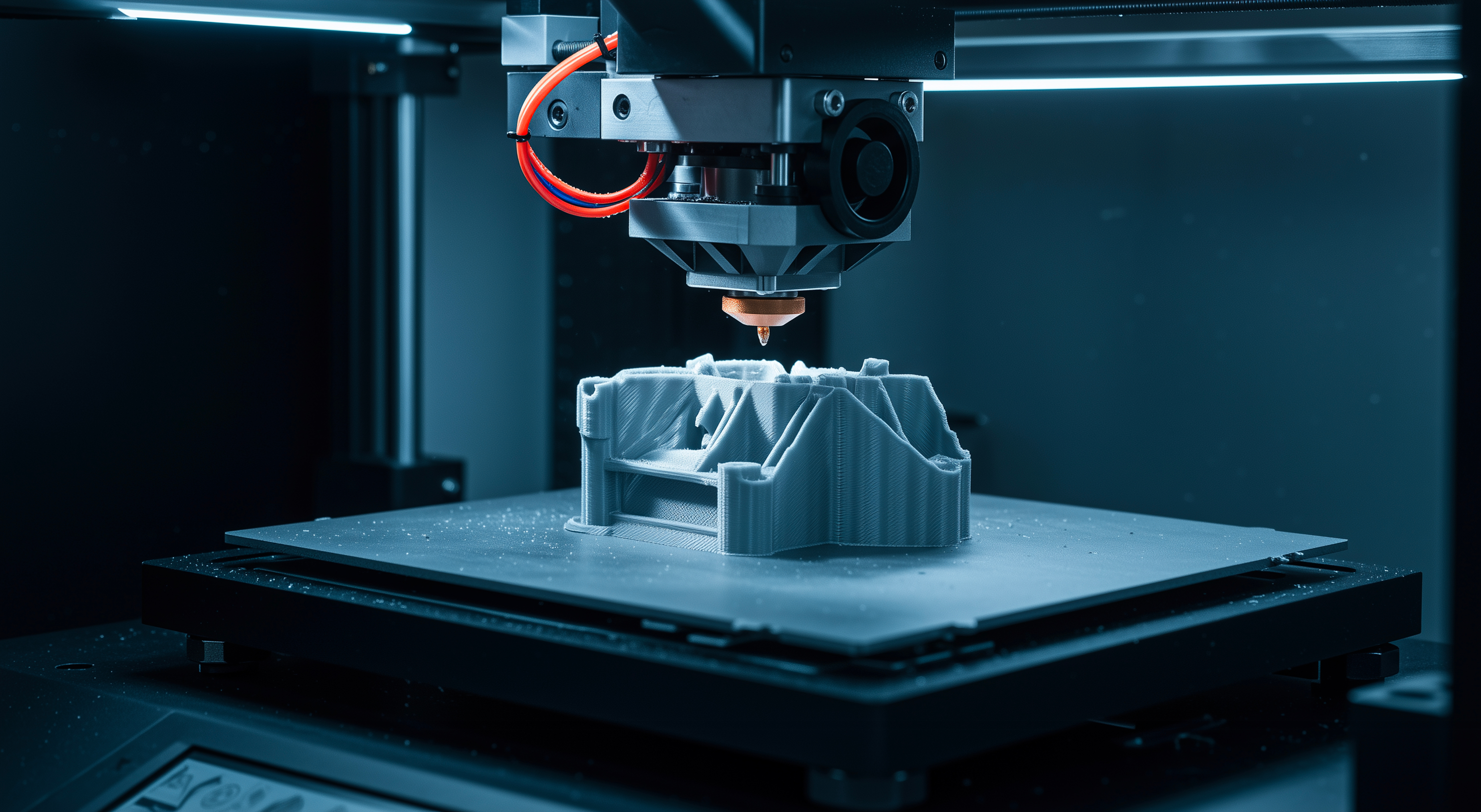
Shape implementation through FDM (Fused Deposition Modeling) 3D printing by melting and extruding thermoplastic plastic filaments • Suitable for mock-up production before prototyping • Various plastic materials and color options available
PROCESS
Total 4 steps from design file review to inspection

01
Design File Review
Modeling review based on design data for products or components requiring additive manufacturing

02
3D Printing
Apply each 3D printing method based on design data for additive manufacturing

03
Post-Processing
Completed repair components undergo additional processing according to customer requirements

04
Inspection
External shape inspection of completed additive manufacturing components and integrity & reliability review through quality testing

Design and process review
Perform shape design and build preprocessing (support generation, simulation, etc.) for additive manufacturing processes using 3D modeling and simulation software such as Rhino, CATIA, and Magics.
Reference
portfolio
PBF Videos
DED Videos
inspection
Radiographic Test (RT)
Radiographic Test (RT)
Penetrant Test(PT)
Non-destructive testing is performed to evaluate the quality and reliability of prototypes that have undergone post-processing and post-processing.
The two non-destructive tests performed on the prototype did not reveal any pores or defects inside the prototype, ensuring the quality and reliability of the prototype.

